
The Films
Opening & Closing
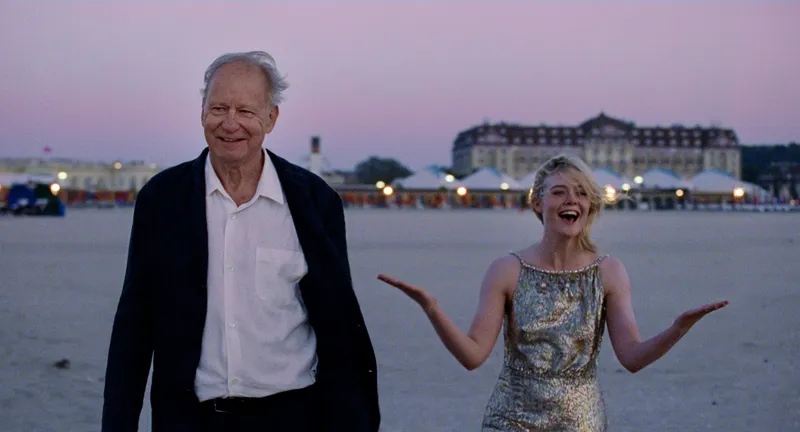 OpeningSentimental ValueA red wooden house on the edge of Oslo, its paint long since threaded with cracks: that is where Joachim Trier begins — and he turns the crumbling building into an image of a family that stopped being one long ago. The father, Gustav Borg (Stellan Skarsgård), a celebrated director and ageing bohemian, returns after decades to the two daughters he once left for his career. Nora (Renate Reinsve), now an actor herself, refuses more than anyone to meet him halfway. All the more so when he sets out to film his latest screenplay with her. Between loaded glances and eloquent silences, a chamber piece unfolds about the invisible inheritance of an unusual clan of artists.
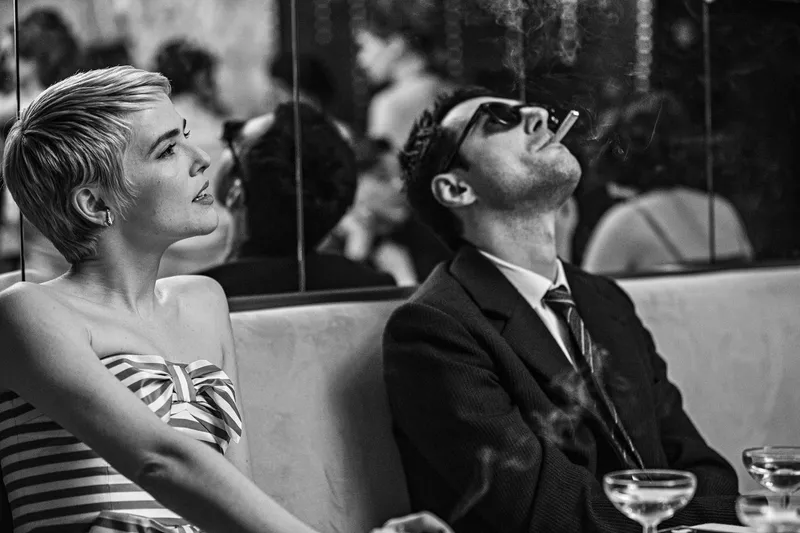 ClosingNouvelle VagueA making-of that never existed but should have: with “Nouvelle Vague”, Richard Linklater attempts nothing less than a reimagining of French film history — and makes of it, quite shamelessly, a film about himself. Setting out from the question of what the shoot of Jean-Luc Godard's “Breathless” might have looked like, Linklater unfolds a playful homage to the members of the Nouvelle Vague, to their freedom and their appetite for improvisation.
The 14 Films
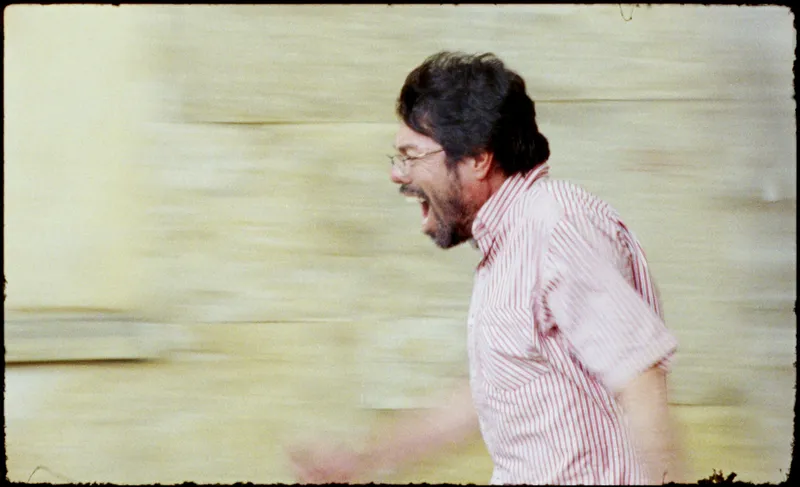 Film 1A PoetThere are poets who carry their whole life over into their verse — and there are poets who get stuck in their own metre. Oscar Restrepo (Ubeimar Ríos) belongs to the second kind. Decades ago he published a slim volume of poems that nobody read. No career to show for it, but plenty of alcohol and the daily humiliations of a teaching job. Then Yurlady enters his life, a young woman from the slums of Medellín whose poems pour out of her as if it cost her nothing. Her language is immediate, fresh, unguarded. Oscar sees in her a surface onto which he can project the fame he never had — but his support soon tips into something possessive.
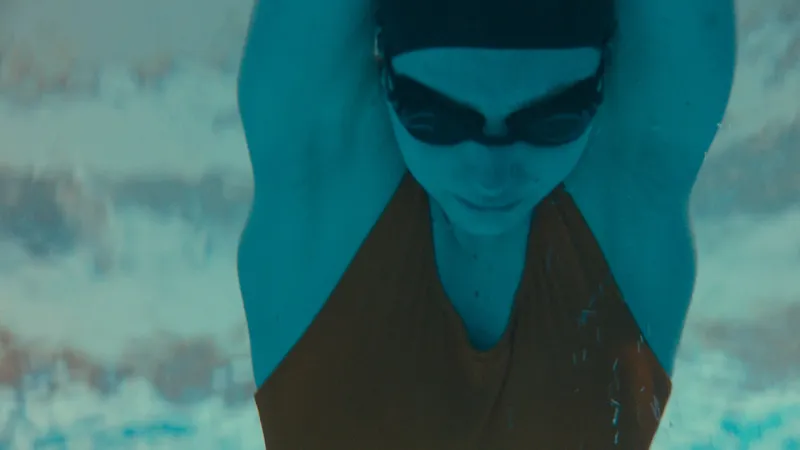 Film 2The Chronology of WaterA body surfaces, disappears, looks for a hold in the water — a recurring motif and the great metaphor of Kristen Stewart's directorial debut, based on Lidia Yuknavitch's autobiographical novel of the same name. Its central figure, Lidia, grows up in 1970s Oregon in a home marked by violence and alcohol. A gifted swimmer, she finds refuge in the water, but on land she is close to breaking under other people's expectations. Only in literature does she discover a language of her own — one that turns pain into meaning.
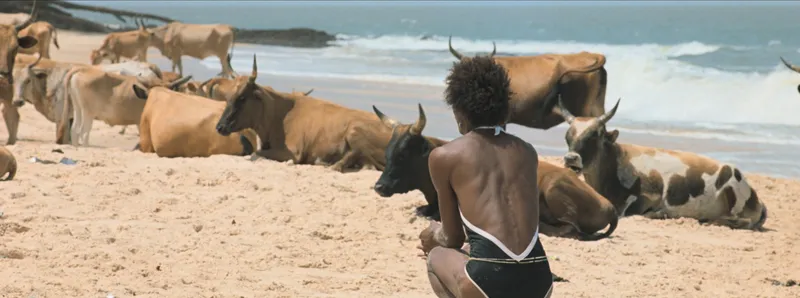 Film 3I Only Rest in the StormWith his feature debut “The Nothing Factory”, the Portuguese director Pedro Pinho already showed that he wants to think cinema anew: neorealism met post-Marxist musical there. With “I Only Rest in the Storm”, his new work of almost four hours, he carries that ambition forward.
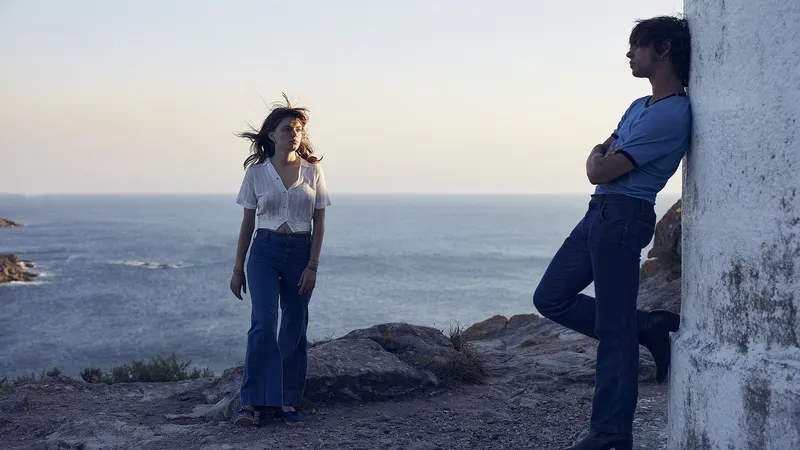 Film 4RomeríaSeventeen-year-old Marina looks at the world through her small digital camera. She takes it with her to Vigo, the Galician port city where her parents once lived. All she really needs is a document for a scholarship, but the stay turns into a search for where she comes from. The encounters with relatives stay cool; nobody wants to talk about the past. Little by little Marina grasps that there is no single truth, only different ways of remembering.
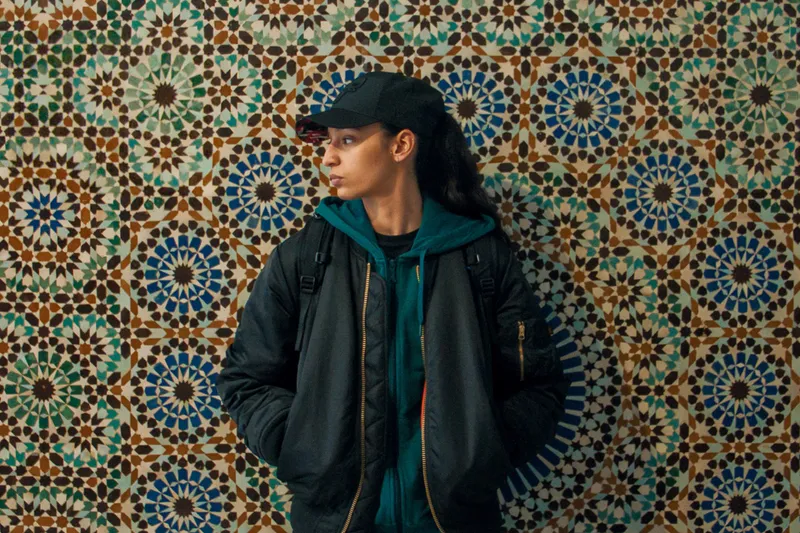 Film 5Die jüngste Tochter“Seventeen-year-old Fatima is the youngest of three daughters in a French-Algerian family in a Paris suburb. Her favourite sport is football, at school she hangs around with the most boastful boys in her class, and she has a secret steady boyfriend who is already thinking about marriage. But Fatima is finding it harder and harder to hide what nobody can be allowed to know: her heart beats for women. When she begins studying philosophy in Paris, a completely new world opens up. Torn between family tradition, faith and her own wish for freedom, Fatima has to find her own way.
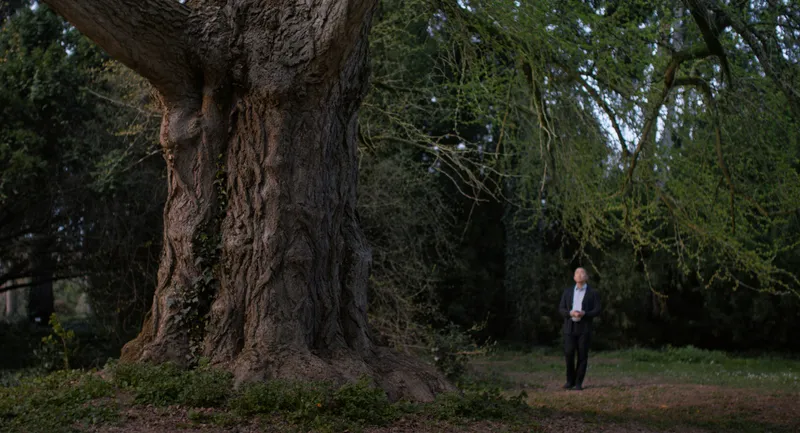 Film 6Silent FriendThe Hungarian director Ildikó Enyedi is among the most singular voices in European auteur cinema. In films like “My Twentieth Century” and “On Body and Soul” she has always joined the everyday to the supernatural. Her new film “Silent Friend”, which screened in competition in Venice, won Luna Wedler the Mastroianni Award as best young discovery and became a critics' favourite, widens that poetic universe — and reflects on our experience of the pandemic at the same time.
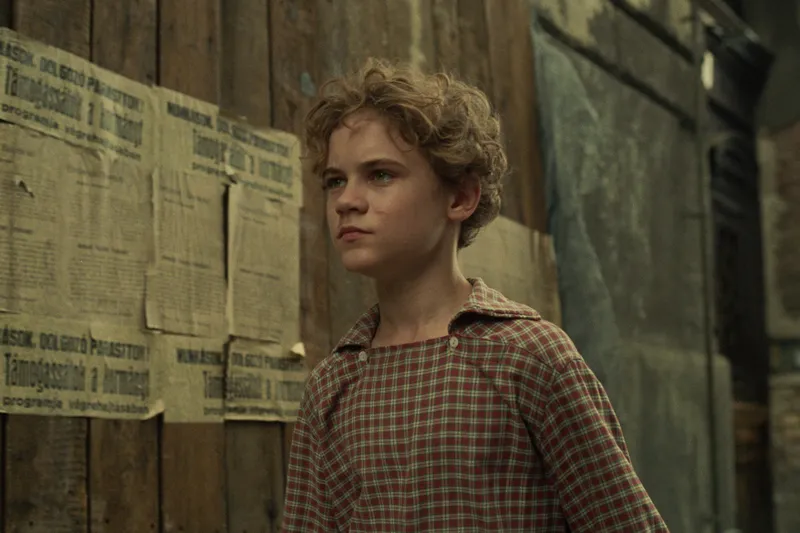 Film 7OrphanBudapest, 1957: twelve-year-old Andor Hirsch is growing up in a city marked by Soviet control after the failed anti-communist uprising. Back from the orphanage, he is living with his mother again, and she wants a new attachment — to Berend, the butcher. For Andor, though, his dead father, a train conductor, remains his inner compass: he talks to him in the boiler room, collects tickets, clings to relics as though they were life rafts. But being close to Berend holds a truth that will shake his sense of himself.
 Film 8Dry LeafWhen traffic lights talk to road signs and sports halls house great love stories, we are in the cinema of Alexandre Koberidze. For him, football and film are both media of emotion — of play, of technique, of wonder. Even the title “Dry Leaf” refers to a Brazilian shooting technique of the 1950s whose flight path is impossible to predict. This magical road movie unfolds in just the same way: full of unexpected directions that surprise and move you.
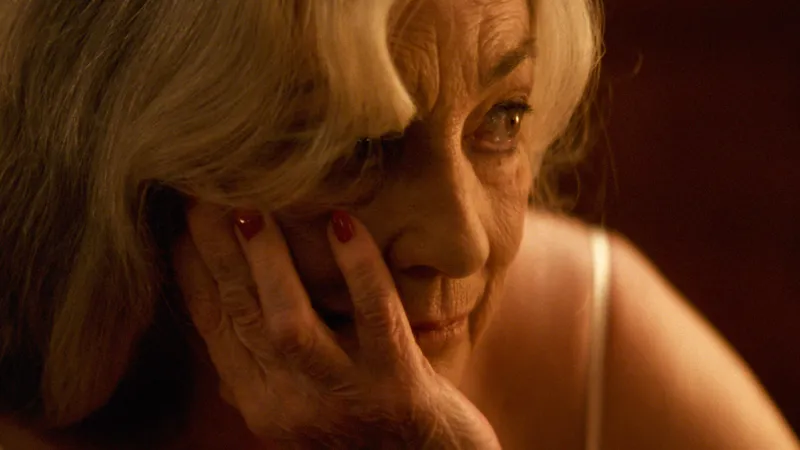 Film 9Calle MálagaIf “Calle Málaga” is something like a late home game, it belongs entirely to the legendary actor Carmen Maura. Forty years after the early appearances for Pedro Almodóvar that made her one of the unmistakable faces of Spanish cinema, she is once again at the centre of a film that gives her the room she needs to shine.
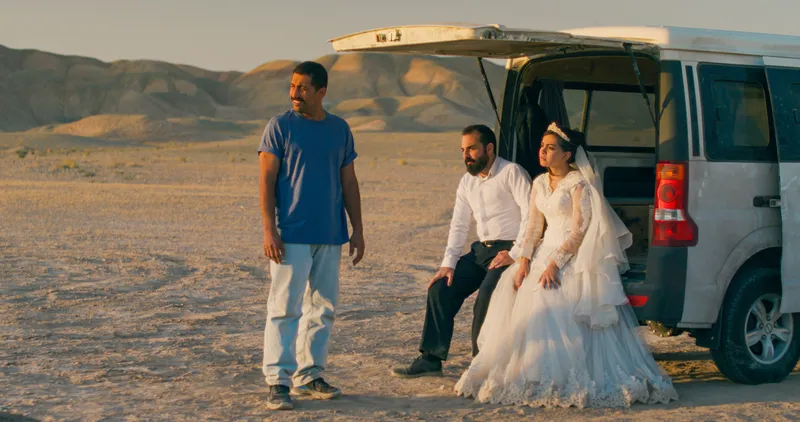 Film 10Ein einfacher UnfallThere are many kings of cinema, but few emperors. Since Cannes, Jafar Panahi has been one of the latter: “It Was Just an Accident” won him the Palme d'Or — making him, after Michelangelo Antonioni, only the second director to triumph at all four major A-list festivals. For Panahi it is both vindication and a fresh start: after years of bans and imprisonment he returns, no longer in guerrilla mode but with a thriller that draws all his themes together.
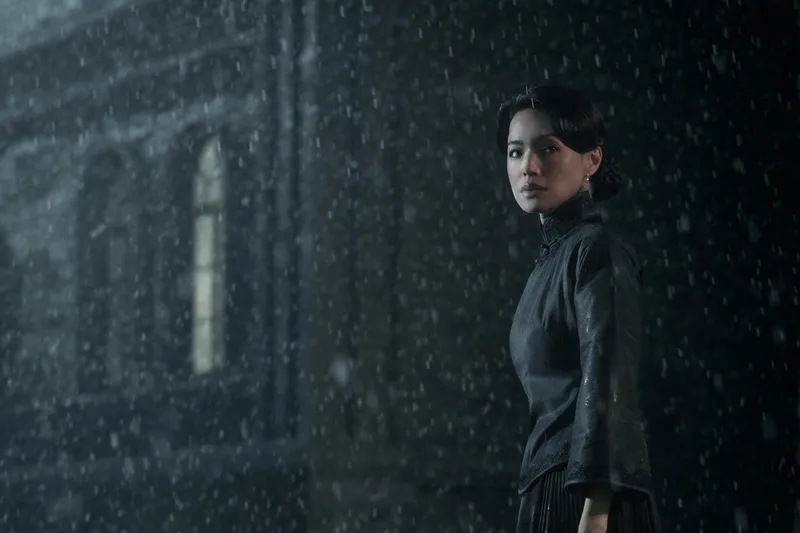 Film 11ResurrectionIn the year cinema celebrates its 130th anniversary, the Chinese director Bi Gan takes a radical step: he wants to reinvent the language of film — something pure, luminous, never seen before. It is no accident that his work is called “Resurrection”, and what is meant is nothing less than the rebirth of cinema itself. A film that takes cinema as its subject, a dream about dreams, an adventure that overruns the senses.
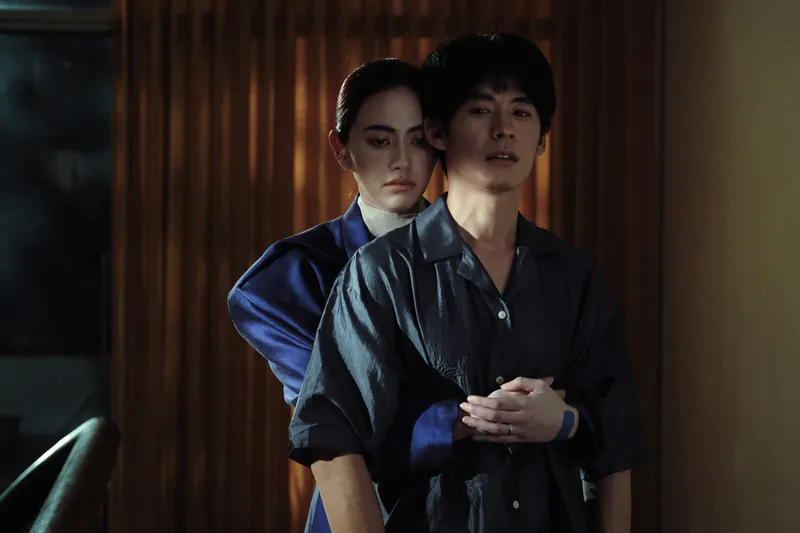 Film 12A Useful GhostThe widower March is grieving for his wife Nat, who died of the effects of air pollution. But Nat comes back — not as a person, but as a ghost living inside a vacuum cleaner. Somewhere between farce and melancholy mourning, a touching and absurd love story unfolds between a man and a machine, to the horror of March's family. At the same time the house is haunted by a second restless spirit: a dead factory worker whose death once forced the family business to close.
 Film 13Yakushima's IllusionOrgan transplantation is to this day culturally and religiously contested in Japan: the border between body and soul, between death and living on, remains a delicate one. Naomi Kawase, always a filmmaker who lets spirituality and physicality flow into one another, devotes her first feature project in five years to this taboo.
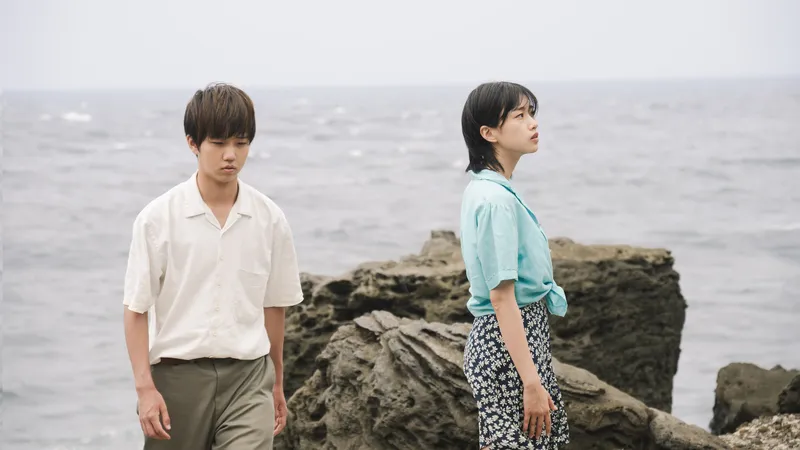 Film 14Two Seasons, Two StrangersSho Miyake is one of the quiet magicians of contemporary cinema. In films like “Small, Slow but Steady” he was already developing a signature one might call a cinema “of the new shyness”: delicate observations, tentative gestures, characters who find in silence a dignity that an ever louder cinema often lacks. How healing and dreamily philosophical this stance can be is shown by his new film, “Two Seasons, Two Strangers”.
Homages
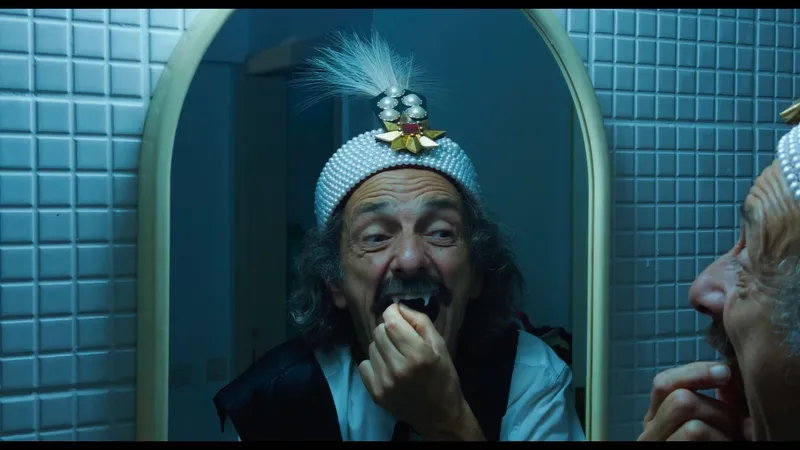 HomageDraculaThe greatest contemporary thinker of European cinema, Radu Jude, is back — and how. He threw two films into the festival circuit this year, but nothing is as radical, as excessive, as overflowing as “Dracula”. Usually this myth is a western projection, from Bram Stoker's novel to Hollywood's bloodsuckers. Romania, the supposed home of the undead, was always left out of it. Now Jude brings him home — and turns him into an explosive prism of the present.
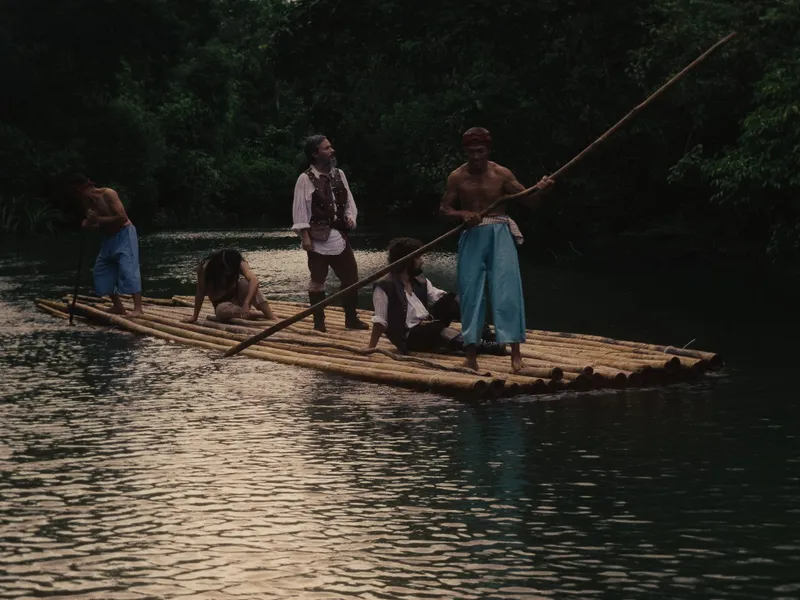 HomageMagellanLav Diaz, the singular voice of Philippine auteur cinema, is his country's most radical chronicler — a master of stretched time who is happy to take ten hours and more to work through guilt and colonial history. With “Magellan” he now surprises us with something one could almost call a blockbuster: colour instead of black and white, 160 minutes instead of twelve hours, and, in Gael García Bernal, an international star in the lead for the first time.
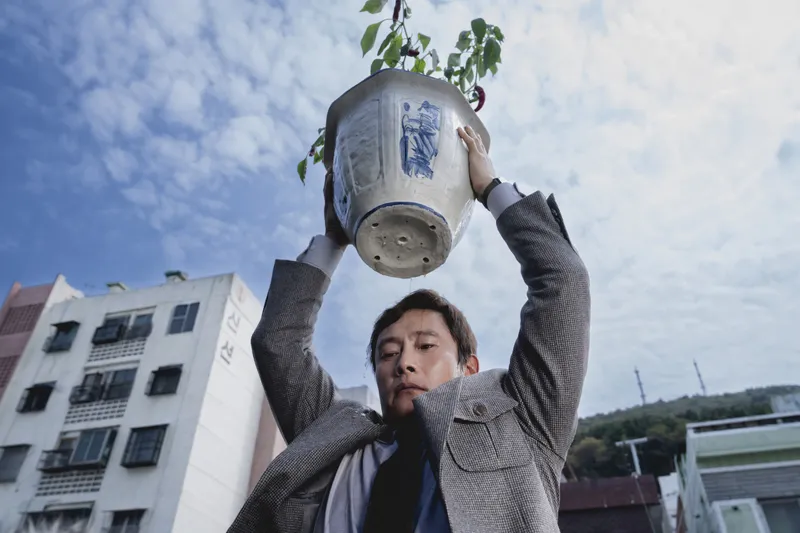 HomageNo Other ChoiceThe middle class fears nothing so much as losing what it has: work, status, security. In cinema that fear has long driven great social dramas, from Bong Joon-ho's “Parasite” to Radu Jude's “Kontinental '25”. Park Chan-wook turns to it too in “No Other Choice”. He adapts Donald E. Westlake's novel “The Axe”, once filmed by Costa-Gavras — but transplants the story into the hypermodern working world of South Korea, a country that vibrates like few others between the pressure to succeed and digital upheaval.
Berlinale Spotlight: World Cinema Fund
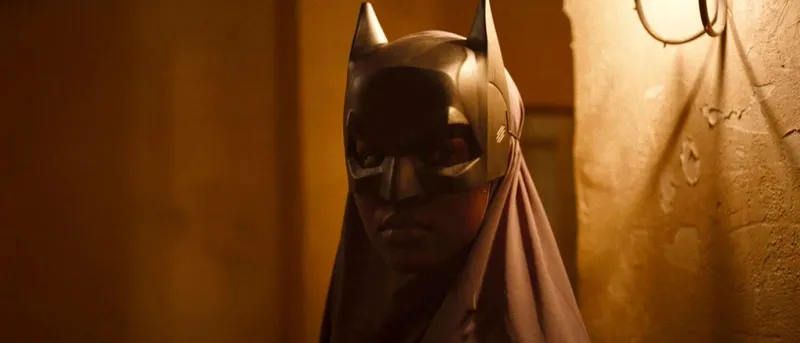 SpotlightAisha Can't Fly AwayHardly any genre has fed world cinema in recent years the way body horror has. In work from Asia, Latin America and Africa it becomes clear how closely questions of body, identity and inequality are bound together — and how the image of the deformed body opens up room for liberation and resistance. “Aisha Can't Fly Away” by the Egyptian director Morad Mostafa is further proof: a film that sets a political and poetic metamorphosis in motion from inside a social drama.
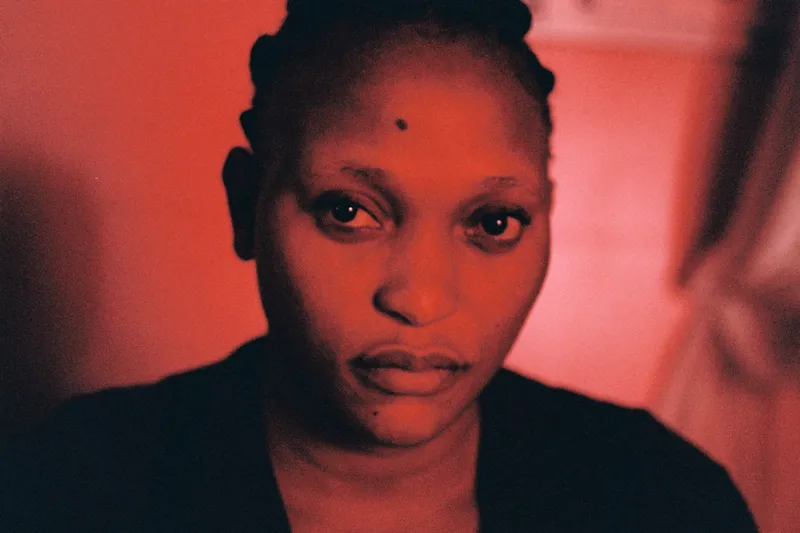
- SpotlightDer geheimnisvolle Blick des FlamingoWinning the “Un Certain Regard” strand at Cannes is often a promise: of a cinema that is wilful, defiant and surprising. The Chilean director Diego Céspedes, barely 30, keeps that promise with a debut that astonished everyone at Cannes. “The Mysterious Gaze of the Flamingo” is set in 1982 in northern Chile, in a dusty mining settlement that looks like a post-apocalyptic outpost. Eleven-year-old Lidia is growing up here, surrounded by a queer chosen family — and confronted with a mysterious plague said to emanate from the gazes of that community. The flamingo of the title, an eccentric member of the family, is likewise at the centre of the miners' hostility.
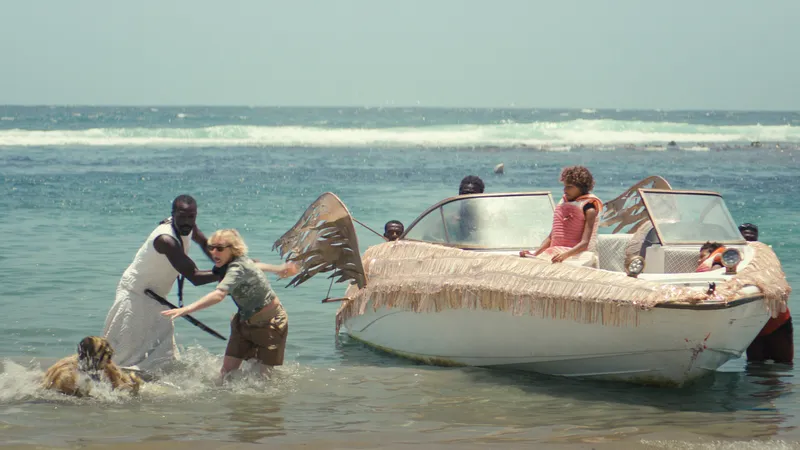
 SpotlightZafari“A dystopian fable and a grotesquely realistic picture of the Venezuelan crisis. The arrival of the hippopotamus Zafari at the zoo in Caracas sets the life of a middle-class apartment complex wobbling. First the zookeepers claim the right to bathe in the swimming pool. Then food and water grow scarce. Before long every moral idea crumbles. Zafari is superbly looked after; it is only the people around the hippopotamus who slowly turn into animals.