

- Spotlight
- France
- Germany
- Chile
- Spain
- Belgium
- Cannes 2025
Der geheimnisvolle Blick des Flamingo
La Misteriosa Mirada del Flamenco
Credits
- Screenplay
- Diego Céspedes
- Production
- Les Valseurs, Weydemann Bros., Quijote Films, Irusoin, Wrongmen
- Distribution
- Filmreederei
- Cast
- Tamara Cortés, Matías Catalán, Paula Dinamarca, Luis Dubó
Festivals
- Cannes
- Melbourne
- Toronto
- Bangkok
- Rio
- Athens
- Leiden
- Chicago
- San Sebastián
- Lima
- Brussels
Awards
- Cannes — Un Certain Regard Grand Prize
- San Sebastián — Dama Youth Award
- Lima — Special Jury Prize (Honorable Mention)
- Brussels — Grand Prix
Language & Access
- Language
- Spanish original version
- Subtitles
- English subtitles
Synopsis
Winning the “Un Certain Regard” strand at Cannes is often a promise: of a cinema that is wilful, defiant and surprising. The Chilean director Diego Céspedes, barely 30, keeps that promise with a debut that astonished everyone at Cannes. “The Mysterious Gaze of the Flamingo” is set in 1982 in northern Chile, in a dusty mining settlement that looks like a post-apocalyptic outpost. Eleven-year-old Lidia is growing up here, surrounded by a queer chosen family — and confronted with a mysterious plague said to emanate from the gazes of that community. The flamingo of the title, an eccentric member of the family, is likewise at the centre of the miners’ hostility.
Céspedes interlocks the coming-of-age story with the iconography of the western — and makes the gaze his central subject. Here the gaze is an instrument of power, a weapon, a source of both visibility and stigma. What emerges is a metaphor for the struggle to be recognised, and for the violence of looking away. Formally the film swings between raw social study and delicate intimacy. “The Mysterious Gaze of the Flamingo” bears the signature of a director who joins image and allegory masterfully and who has found a language of his own in his very first feature. Perhaps a new favourite of international auteur cinema really is growing up here — one whose mysterious gaze is hard to escape.
Festival
Shown at the 2025 edition of Around the World in 14 Films, Berlin.
Presented by

Vincenzo Bugno
Also in the programme
Sentimental Value
Nouvelle Vague
A Poet
The Chronology of Water
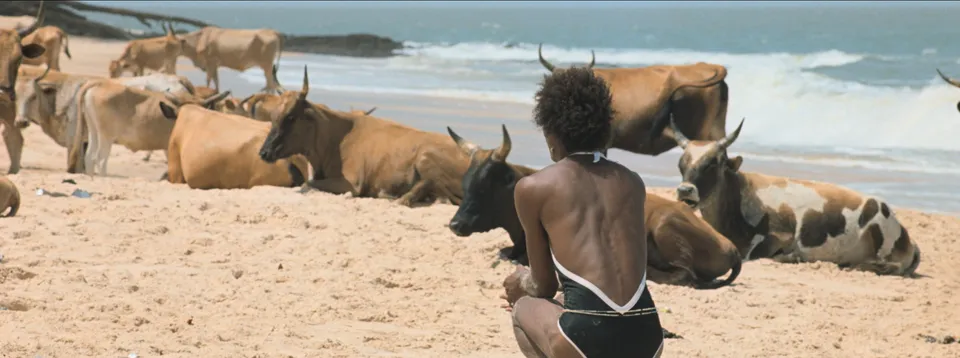
I Only Rest in the Storm
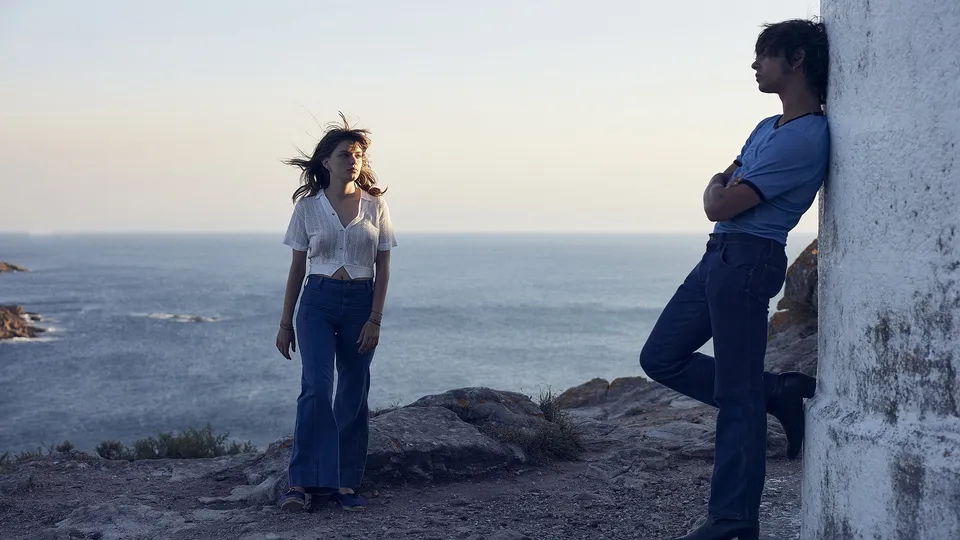
Romería
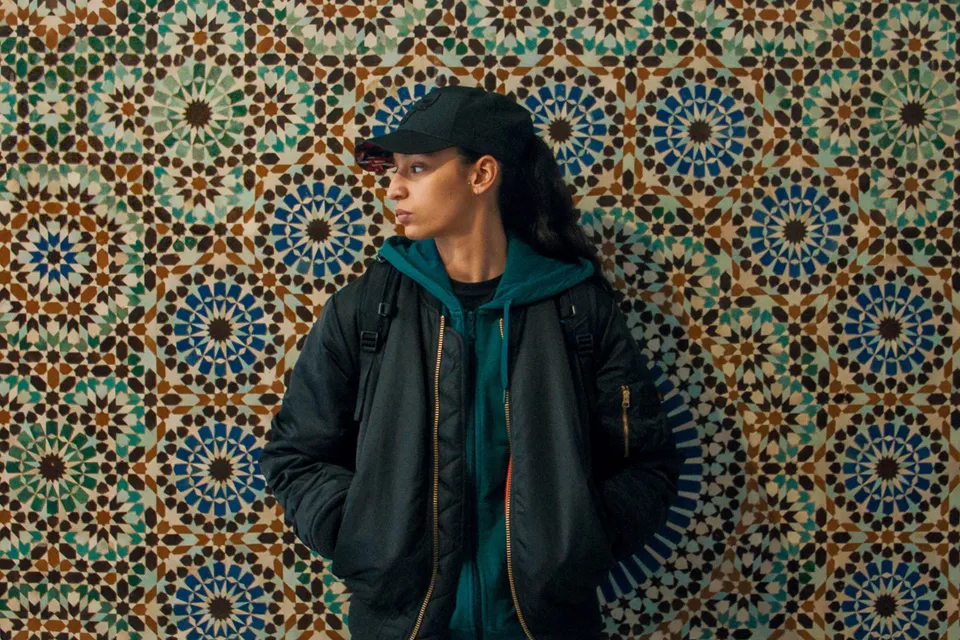
Die jüngste Tochter
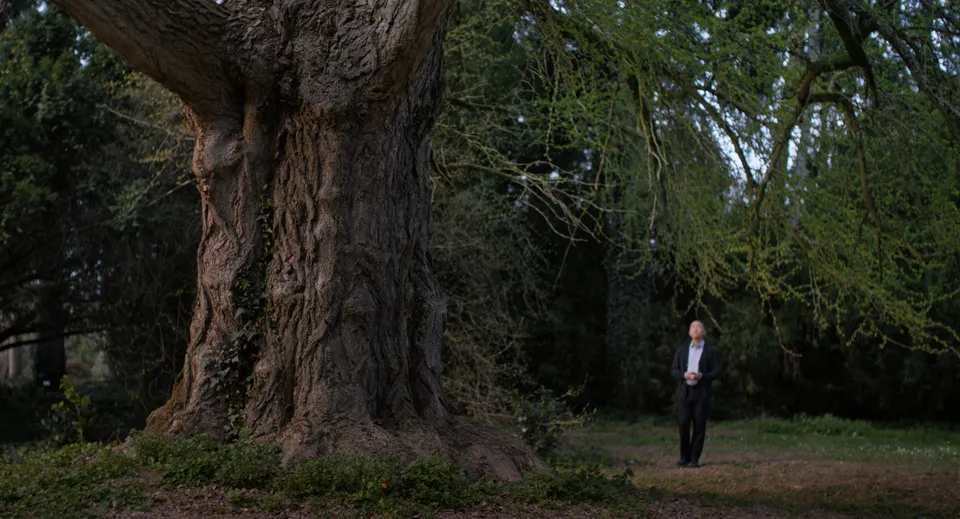
Silent Friend
Orphan
Dry Leaf

Calle Málaga
Ein einfacher Unfall
Resurrection
A Useful Ghost

Yakushima's Illusion
Two Seasons, Two Strangers
Dracula
Magellan
No Other Choice
Aisha Can't Fly Away

Zafari
Félicité
Gavagai