

- Film 7
- Hungary
- United Kingdom
- Germany
- France
- Venice 2025
Orphan
Árva
Credits
- Screenplay
- László Nemes, Clara Royer
- Production
- Pioneer Pictures, Good Chaos, Twenty Twenty Vision Thanassis Karathanos, Medienboard, AR
- Distribution
- MUBI
- Cast
- Bojtorján Barábas, Andrea Waskovics, Grégory Gadebois, Elíz Szabó, Sándor Soma, Marcin Czarnik
Festivals
- Venice
- Toronto
- Zurich
- Rio
- Hamptons
- Bangkok
- Mill Valley
- London
- Cinemira
- AFI
Language & Access
- Language
- Hungarian original version
- Subtitles
- English subtitles
Synopsis
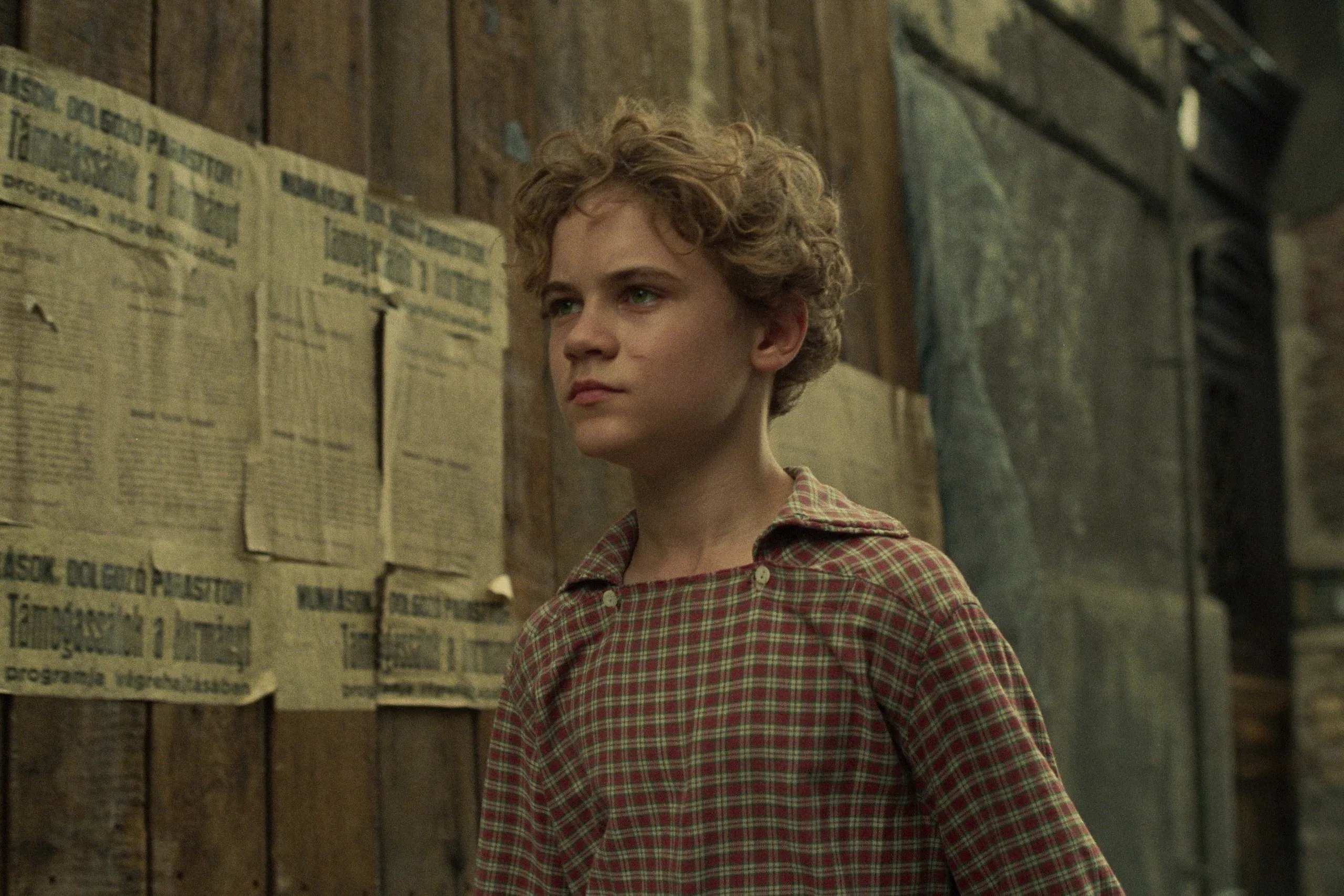
Budapest, 1957: twelve-year-old Andor Hirsch is growing up in a city marked by Soviet control after the failed anti-communist uprising. Back from the orphanage, he is living with his mother again, and she wants a new attachment — to Berend, the butcher. For Andor, though, his dead father, a train conductor, remains his inner compass: he talks to him in the boiler room, collects tickets, clings to relics as though they were life rafts. But being close to Berend holds a truth that will shake his sense of himself.
László Nemes, celebrated for the radically subjective Holocaust drama “Son of Saul”, once again tells of a life produced by the history of the world wars. This time everything is narrowed to the boy’s point of view: shot on 35mm, in tight, subjective images that look like yellowed postcards. Jewish heritage remains a stain, society a minefield. “Orphan” can therefore be read as a negative mirror of “Son of Saul”: there a father held on to the image of his son, here it is the son who clings to the image of his father. Both times cinema becomes the last medium of memory. With formal severity and oppressive intensity, Nemes takes his place in the tradition of Hungarian modernism, from Jancsó to Tarr. A film about guilt and silence and the horror of descent.
Festival
Shown at the 2025 edition of Around the World in 14 Films, Berlin.
Presented by

Dani Levy
Also in the programme
Sentimental Value

Nouvelle Vague
A Poet

The Chronology of Water
I Only Rest in the Storm

Romería

Die jüngste Tochter
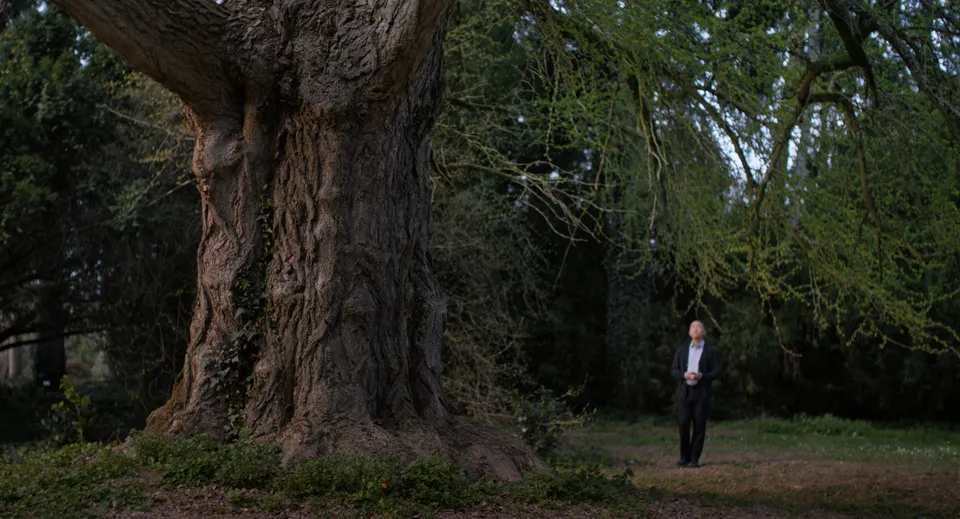
Silent Friend
Dry Leaf

Calle Málaga
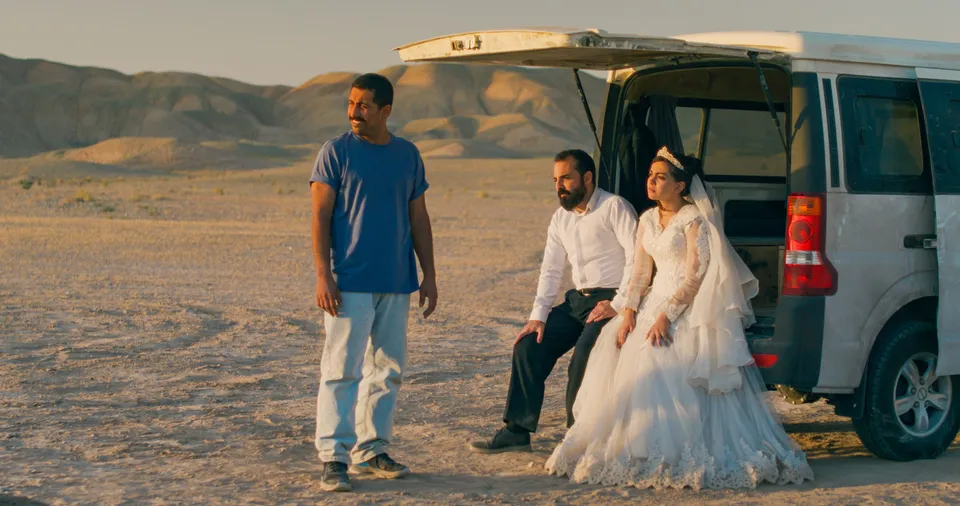
Ein einfacher Unfall
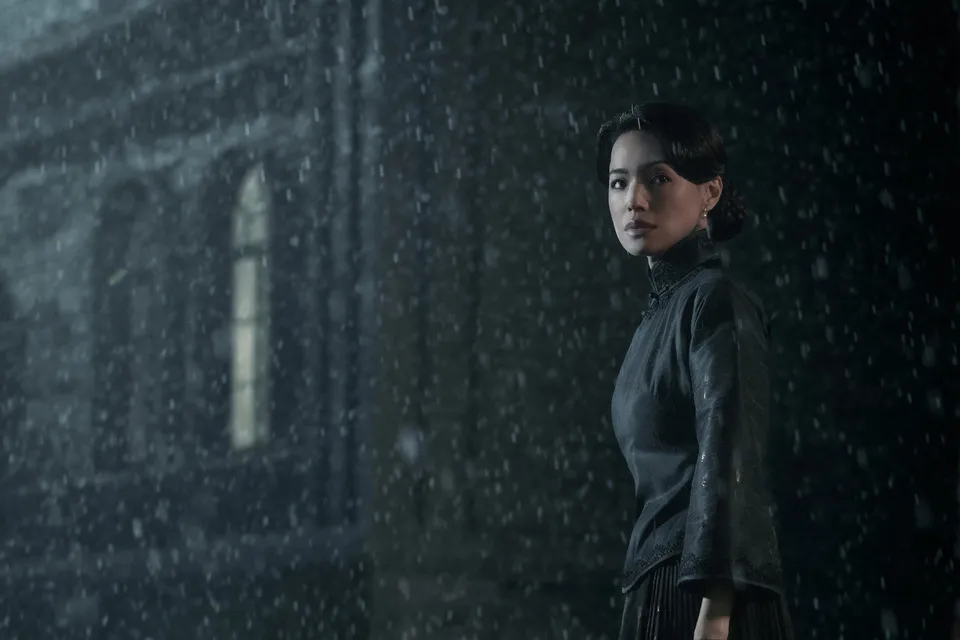
Resurrection
A Useful Ghost

Yakushima's Illusion
Two Seasons, Two Strangers

Dracula
Magellan

No Other Choice
Aisha Can't Fly Away
Der geheimnisvolle Blick des Flamingo

Zafari

Félicité
Gavagai